How Finnish Mobile Users Align Live Dealer Sessions With Provider-Specific Jackpot Triggers and Transaction Protocols
Kirjoittanut Alex Hayes · 24.8.2026
How Finnish Mobile Users Align Live Dealer Sessions With Provider-Specific Jackpot Triggers and Transaction Protocols
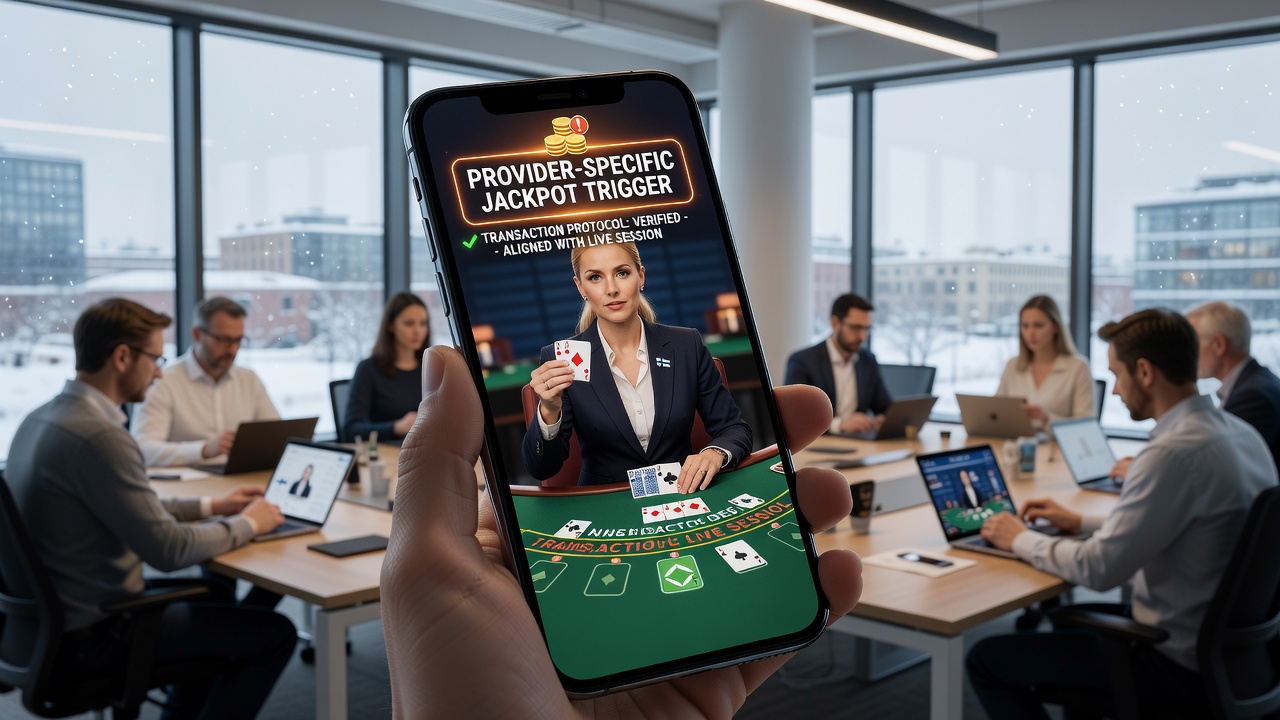
Live dealer environments on Finnish mobile platforms require precise coordination between session timing and the jackpot activation rules set by individual game providers, and users achieve this alignment through structured transaction sequences that meet both timing windows and balance thresholds.
Live Dealer Session Structures in Mobile Environments
Finnish mobile applications host live dealer tables from providers such as Evolution Gaming and Playtech, where each session runs on dedicated streams that feed into separate jackpot pools managed at the provider level. Users open the application, select a live table, and enter the session during specific intervals when the provider software polls for jackpot eligibility, which occurs every 15 to 30 seconds depending on the title. Transaction protocols activate once the user places a qualifying bet that meets the provider's minimum stake requirement listed in the game rules, and the mobile interface displays real-time updates on pool contributions through API calls that refresh without interrupting the video feed.
Provider-Specific Jackpot Triggers and Their Requirements
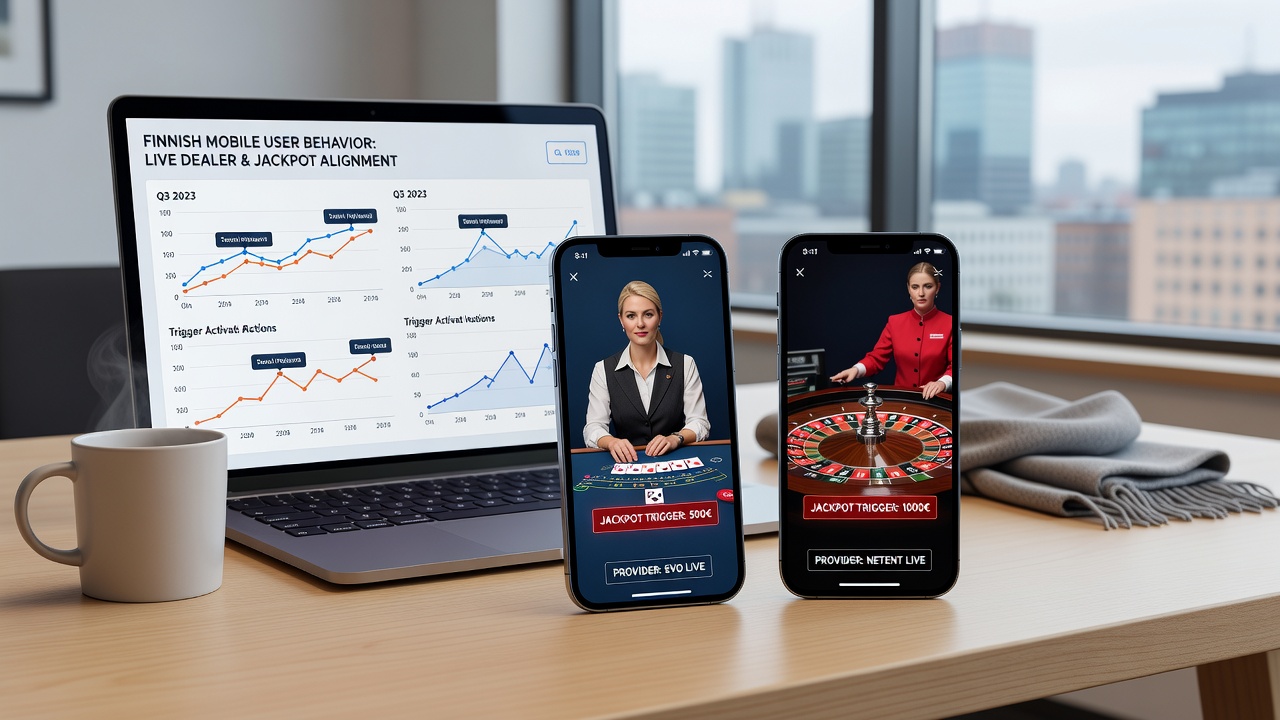
Each provider maintains distinct trigger conditions for progressive and fixed jackpots tied to live dealer games. Some systems require consecutive bets across multiple rounds within a single session, whereas others link eligibility to cumulative wager amounts reached inside a defined time window. Finnish mobile users track these conditions through in-app indicators that pull data directly from the provider's backend, allowing them to adjust bet sizes or session length accordingly. Data from industry monitoring shows that alignment improves when users initiate the first qualifying transaction within the first three minutes of entering a live table, because provider software resets eligibility counters at session start.
Transaction Protocols That Enable Synchronization
Transaction sequences on Finnish mobile platforms follow a defined order that links deposit or balance transfer actions to jackpot pool contributions. Users complete a deposit through the application's payment gateway, after which the system allocates a portion of the transferred amount to the active jackpot according to the provider's contribution rate. The protocol records each bet in milliseconds, and the mobile client sends confirmation packets back to the provider server to verify that the wager satisfies trigger parameters. When a jackpot trigger activates, the transaction log updates instantly on the user's device, and the platform issues a payout through the same payment channel used for the initial deposit.
Mobile Interface Features Supporting Finnish User Alignment
Finnish mobile applications incorporate notification systems that alert users when jackpot meters reach thresholds that match provider trigger rules. These alerts appear as banner messages or push notifications that reference the exact provider and game title, allowing users to switch tables or increase stakes without leaving the session. Network latency testing conducted across Finnish mobile networks in 2025 demonstrated that 4G and 5G connections maintain the sub-second response times needed for accurate trigger detection, while users on Wi-Fi sometimes experience brief delays that affect synchronization during peak hours.
Developments Observed in August 2026
In August 2026, platform analytics indicated increased usage of live dealer tables among Finnish mobile users during evening hours, coinciding with expanded provider support for multi-jackpot live games. Reports compiled by the Australian Communications and Media Authority noted parallel patterns in other regulated markets where mobile transaction speed directly influenced jackpot hit rates. Finnish platforms responded by updating their transaction verification steps to include an additional confirmation layer that reduces failed jackpot claims caused by timing mismatches.
Conclusion
Finnish mobile users maintain alignment between live dealer sessions and provider-specific jackpot systems through coordinated transaction timing, in-app monitoring tools, and adherence to each provider's documented trigger conditions. Continued refinements in mobile network performance and application interfaces support consistent synchronization as new provider titles enter the market.