Inside the Mechanics: How Game Providers Influence Jackpot Structures in Mobile Casino Environments for Finnish Players
Kirjoittanut Ulrich Powell · 19.8.2026
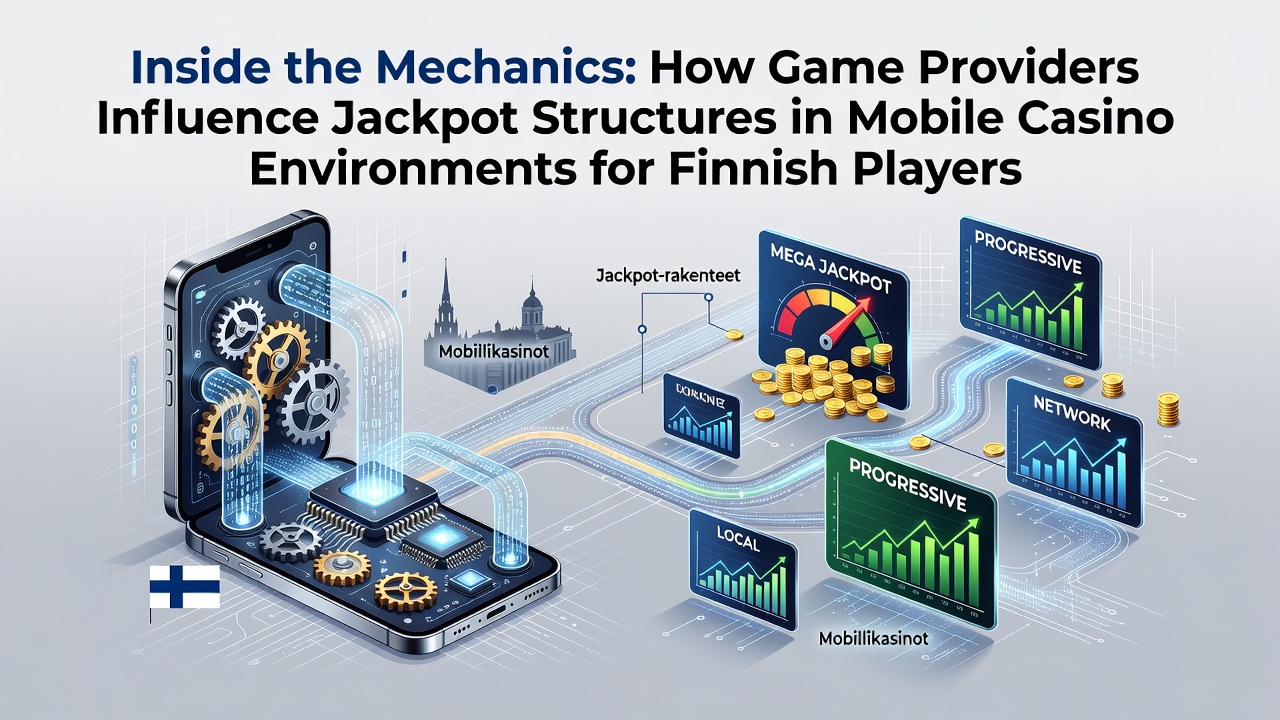
Inside the Mechanics: How Game Providers Influence Jackpot Structures in Mobile Casino Environments for Finnish Players
Game providers shape jackpot structures through specific software architectures that determine prize pools, contribution rates, and payout triggers, and these designs reach Finnish players via mobile applications that operate under Finland's regulated gambling framework as of August 2026. Providers such as NetEnt and Playtech build the underlying random number generators and progressive systems that allocate percentages of each bet into shared pools, while mobile platforms adapt these mechanics for smaller screens and shorter play sessions common among users in Finland.
Core Technical Elements in Jackpot Construction
Jackpot structures rely on algorithms that track bet contributions across thousands of games simultaneously, and providers set the seed amounts, increment rates, and reset values that define when a prize activates. Data from industry reports shows that progressive jackpots often draw 1 to 3 percent of each wager into the pool, with local versions resetting after smaller wins and networked versions growing across multiple operators. Finnish players encounter these systems through offshore platforms that accept euro transactions, even though domestic operations fall under Veikkaus oversight for land-based and certain online products.
Providers embed parameters that control jackpot frequency, and these choices affect average return-to-player percentages that range between 94 and 97 percent in documented mobile titles. Mobile environments introduce additional layers because touch controls and session timers influence how quickly bets accumulate, which in turn speeds or slows pool growth compared with desktop versions of the same games.
Provider Strategies and Mobile Adaptation
Developers adjust jackpot models for mobile by reducing the number of reels or paylines in some titles to maintain performance on lower-bandwidth connections common in parts of Finland. They also implement cloud-based servers that handle real-time pool updates across European time zones, ensuring Finnish users see current jackpot values without delays. Research from the European Commission on digital gambling indicates that such technical decisions directly influence prize volatility, with some providers favoring frequent smaller wins to retain mobile engagement while others build toward rarer but larger payouts.
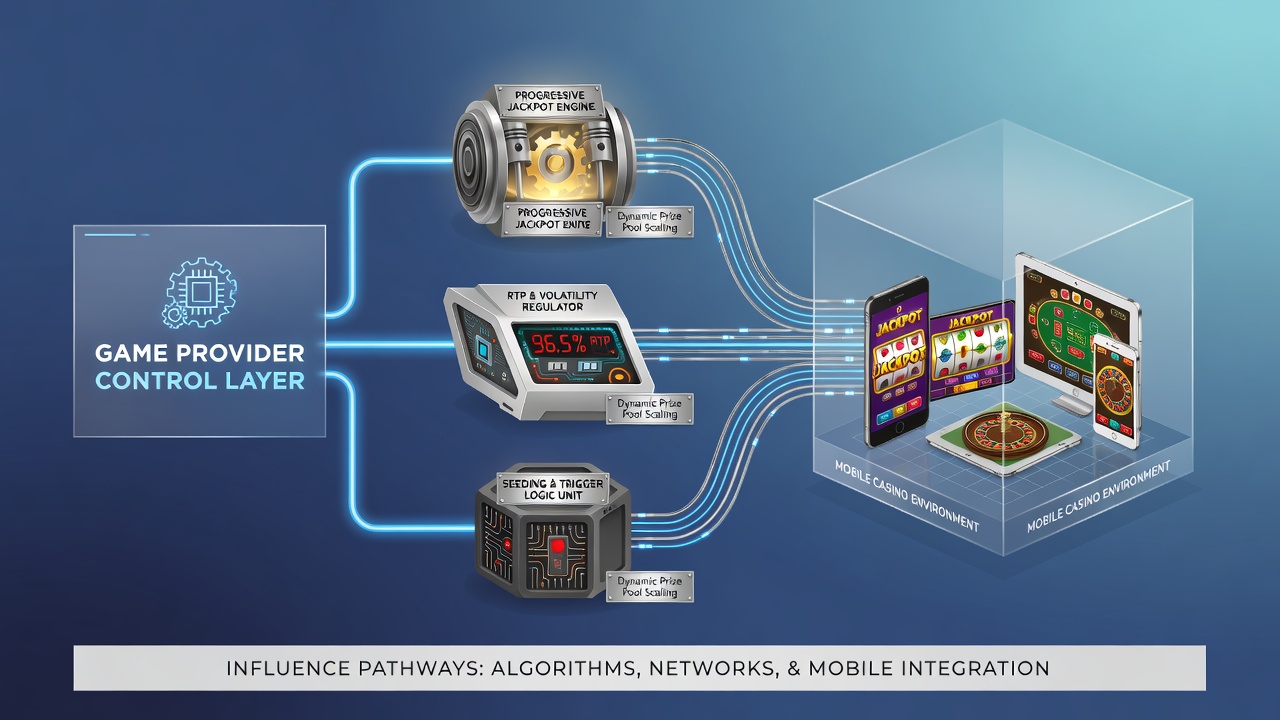
Take one developer that introduced a tiered jackpot system in 2025, where mobile users could access mini, minor, and major levels within a single game, and this structure spread to several Finnish-preferred platforms by August 2026. The design required precise coding to split contributions across tiers without exceeding regulatory caps on maximum prizes, and observers note that similar approaches appear in multiple providers' portfolios.
Regulatory Context for Finnish Players
Finland maintains strict controls on gambling advertising and player verification, which means game providers must align jackpot mechanics with age and location checks embedded in mobile apps. External data from the Malta Gaming Authority shows that licensed operators supplying games to Finnish markets report jackpot contributions separately from base game returns, creating transparency requirements that affect how providers configure their systems. These rules encourage providers to offer both standalone and networked jackpots, giving Finnish users options between localized prizes and larger cross-border pools.
Another source of information comes from academic analyses at institutions such as the University of Sydney's gambling research unit, which examined how mobile interface changes alter player exposure to jackpot triggers. Their findings reveal that shorter average session lengths on phones correlate with slower jackpot accumulation rates, prompting providers to increase contribution percentages in mobile-optimized titles to compensate.
Impact on Prize Distribution and Player Experience
Game providers decide whether a jackpot uses a fixed seed or a percentage-based trigger, and these choices determine the mathematical distribution of wins across the player base. In mobile settings, providers often test different trigger thresholds because Finnish users tend to play in brief intervals during commutes or breaks, according to aggregated usage statistics released by several operators in 2026. The result appears in jackpot structures that reset more frequently in mobile versions than in their desktop counterparts.
Providers also incorporate geo-specific adjustments, such as displaying jackpot values in euros and supporting Finnish language interfaces, which integrate directly with the underlying prize calculation engines. These modifications do not alter core algorithms but affect how Finnish players perceive and interact with available jackpots.
Conclusion
Game providers exert measurable control over jackpot structures through algorithm design, contribution mechanics, and mobile-specific optimizations that directly shape prize availability for Finnish players. Regulatory frameworks in Finland and licensing standards from multiple European authorities continue to guide these technical decisions as mobile casino usage grows. Data from industry and academic sources demonstrates consistent patterns in how these elements interact, offering clear insight into the operational side of jackpot systems without requiring subjective interpretation.